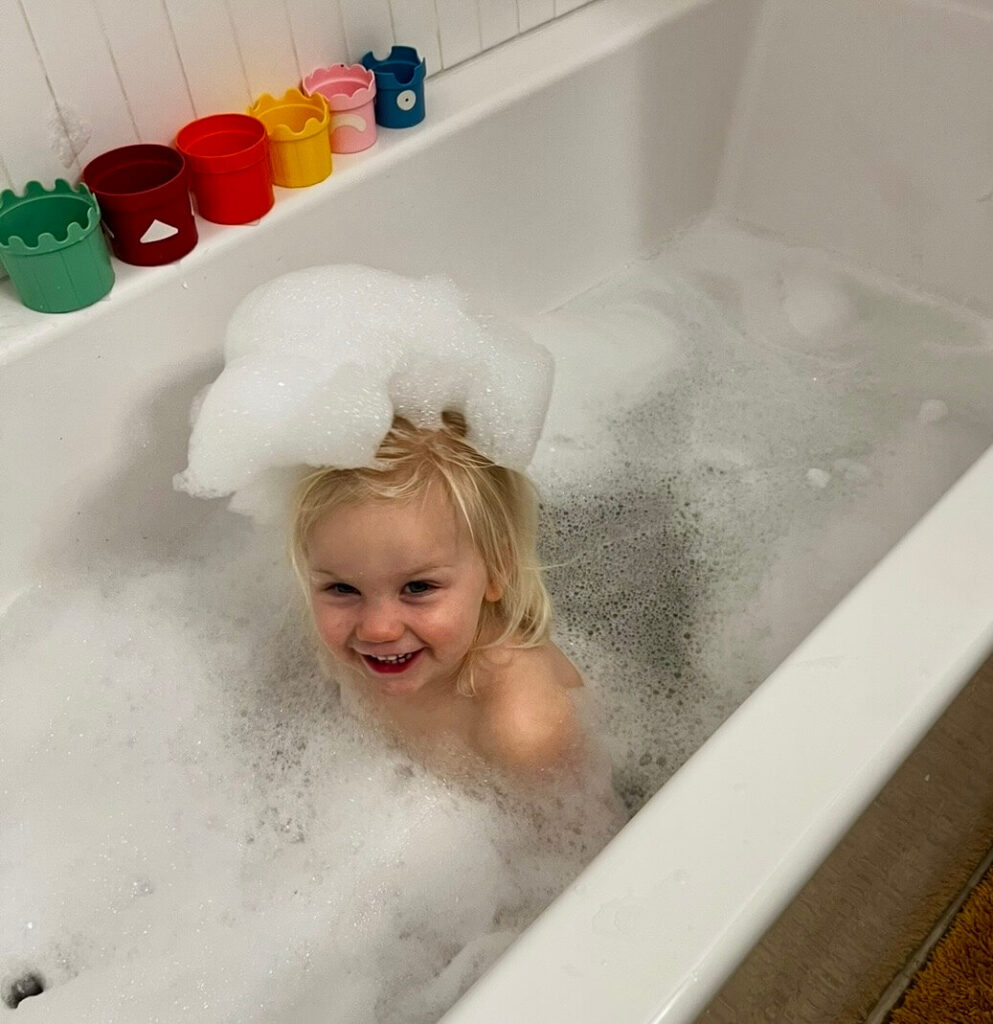
This post contains affiliate links. If you purchase through my links I may earn a small commission at no additional cost to you. I only recommend products we personally use and trust. Use code MADEWITHCLEAN to save $20 on your Tiny Health order. Thank you!
Every mother managing an eczema bath routine knows the feeling of filling the tub at the end of a long day and wondering whether bath time is about to help or make things worse.
For us, for a long time, it made things worse. That familiar tightening and reddening after she got out, the skin that looked angrier at bedtime than it did before we started. I kept adjusting products, kept looking for the culprit, and kept missing the most obvious thing in the room.
The water.
Eczema Skin Needs to Be Primed. Every Single Night.
Think about cooking on stainless steel. A dry, unprepared pan will stick every single time regardless of what you put in it. The surface has to be ready first. Skip that step and nothing works.
Eczema skin works the same way. The outermost layer is supposed to seal moisture in and keep irritants out. In children with eczema, that seal is broken. Moisture escapes. Irritants get in. The inflammation you see on the outside is the result of a barrier that failed on the inside.
This is why the creams never worked long term for us. We were treating the surface without preparing it first.
What Chlorine Does to an Eczema Bath Routine.
Chlorine is in municipal tap water to kill pathogens. It does that job well. What it also does is strip the skin’s natural oils and degrade the barrier we are trying to rebuild.
A 2016 study of 1,303 infants published in the Journal of Allergy and Clinical Immunology found that high chlorine levels in tap water were associated with a 46 percent increased risk of eczema in three-month-old babies.1 That number stopped me cold. Claire had been bathing in chlorinated water every night of her life and I had never once thought to question it.
The fix cost less than one pediatric copay.
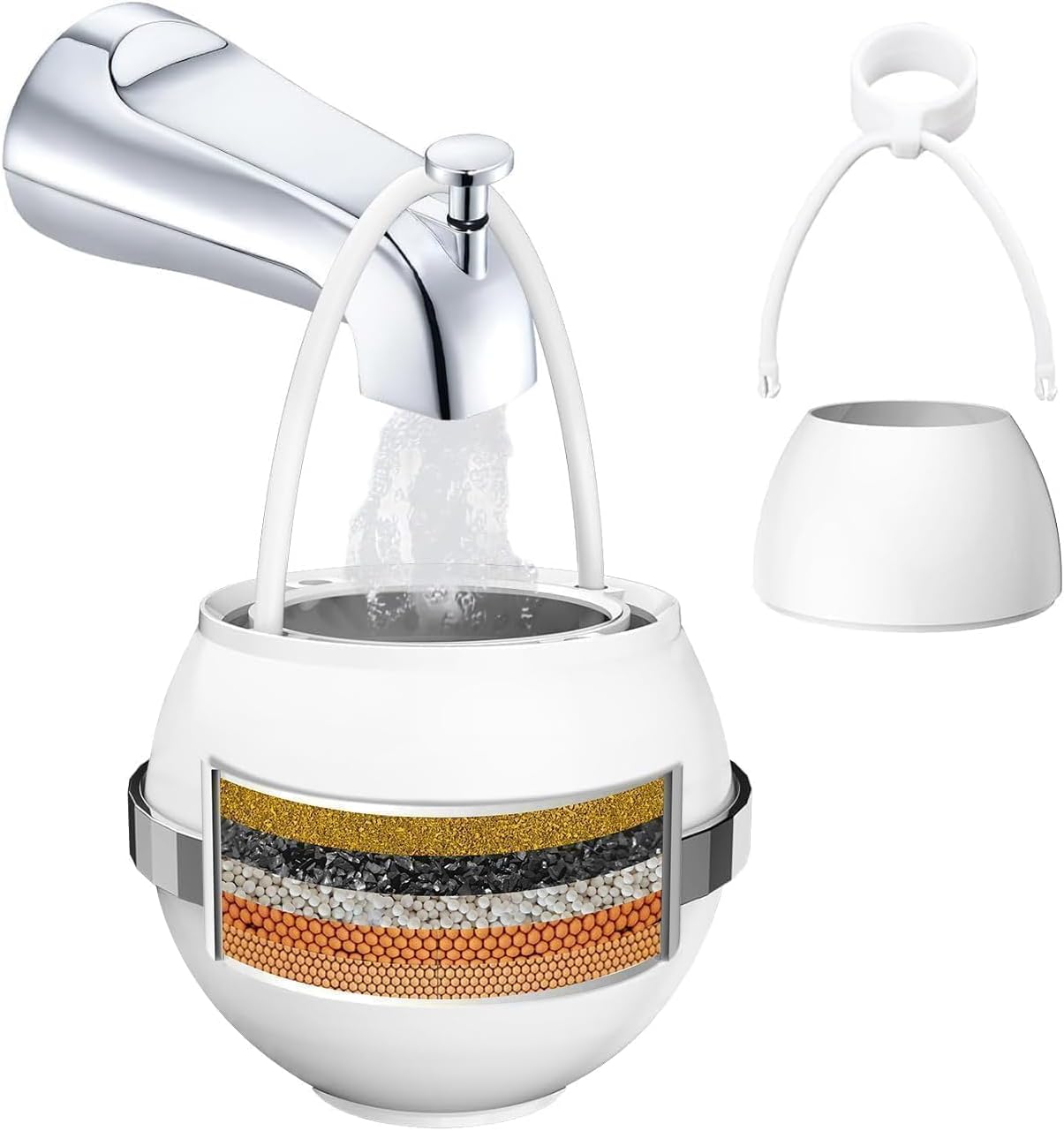
The Beati Faucet 8-Stage Bath Tub Filter attaches to the tub spout in minutes with no tools. It filters out chlorine, fluoride, lead, and other contaminants before the water ever touches her skin. Her post-bath redness became noticeably less severe within weeks. We have not bathed her without it since.
If you do one thing after reading this post, make it that.
The Nightly Habit That Changed Everything.
Filtering the water removes one stressor. Rebuilding the barrier afterward is what actually moves the needle.
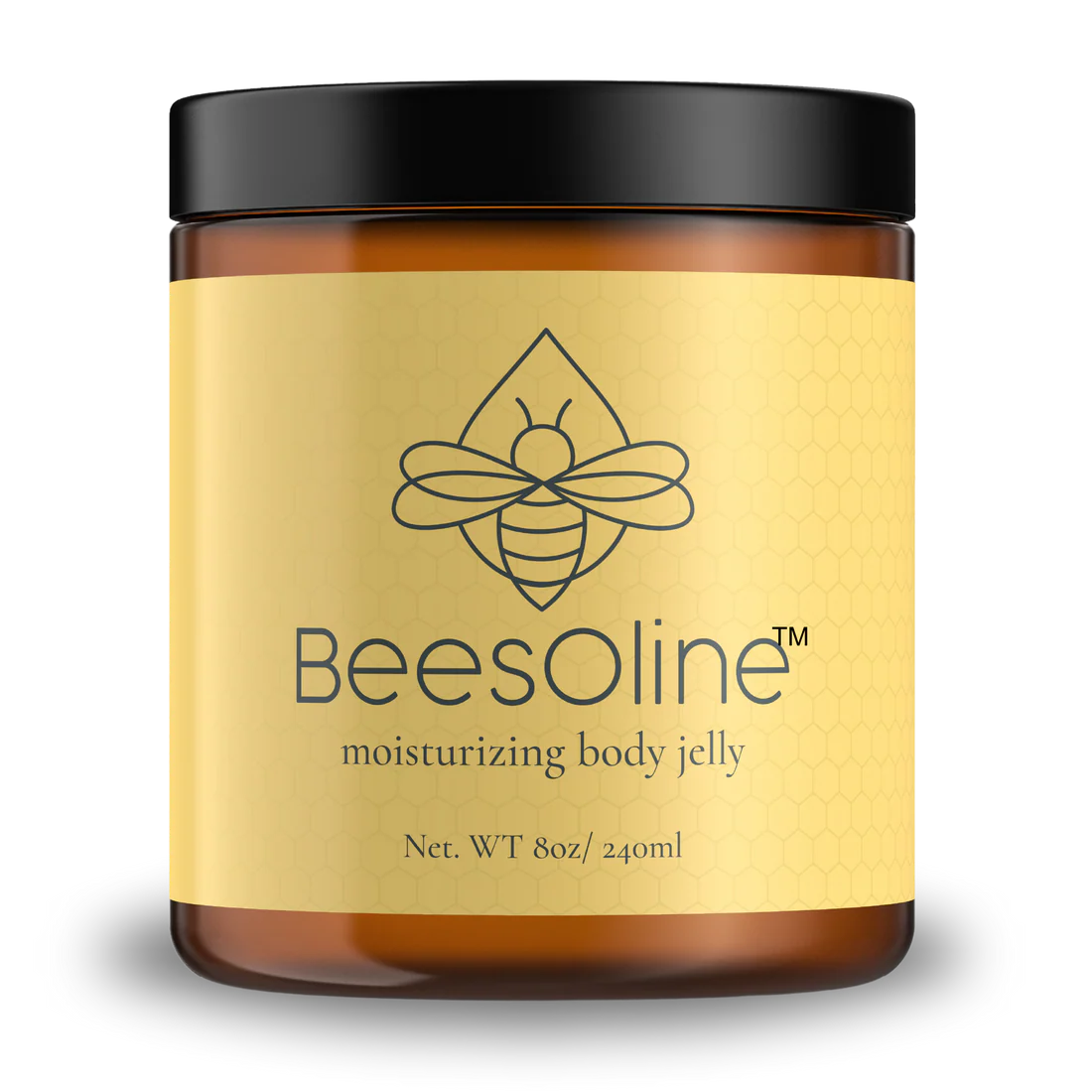
BeesOline Multi-Purpose Natural Moisturizer goes on Claire every single night after her bath. We replaced every jar of Vaseline in our house with it and we have not looked back. It was created by a nurse who wanted a petroleum-free alternative to conventional jelly, and the formula shows that intention. Pharmaceutical grade beeswax creates a breathable seal that locks in moisture overnight. Jojoba butter absorbs without the greasy residue most ointments leave behind. No synthetic fragrance, no petroleum derivatives, nothing that does not belong on a toddler’s skin for eight hours while she sleeps.
Think of it as seasoning the pan. You do it every night, consistently, before anything else. Over time the surface starts to behave differently.
Claire has been on BeesOline every single night for over a year. It is the first thing I recommend when a mother tells me her child’s skin is raw and nothing is helping.
A Few Other Small Changes.
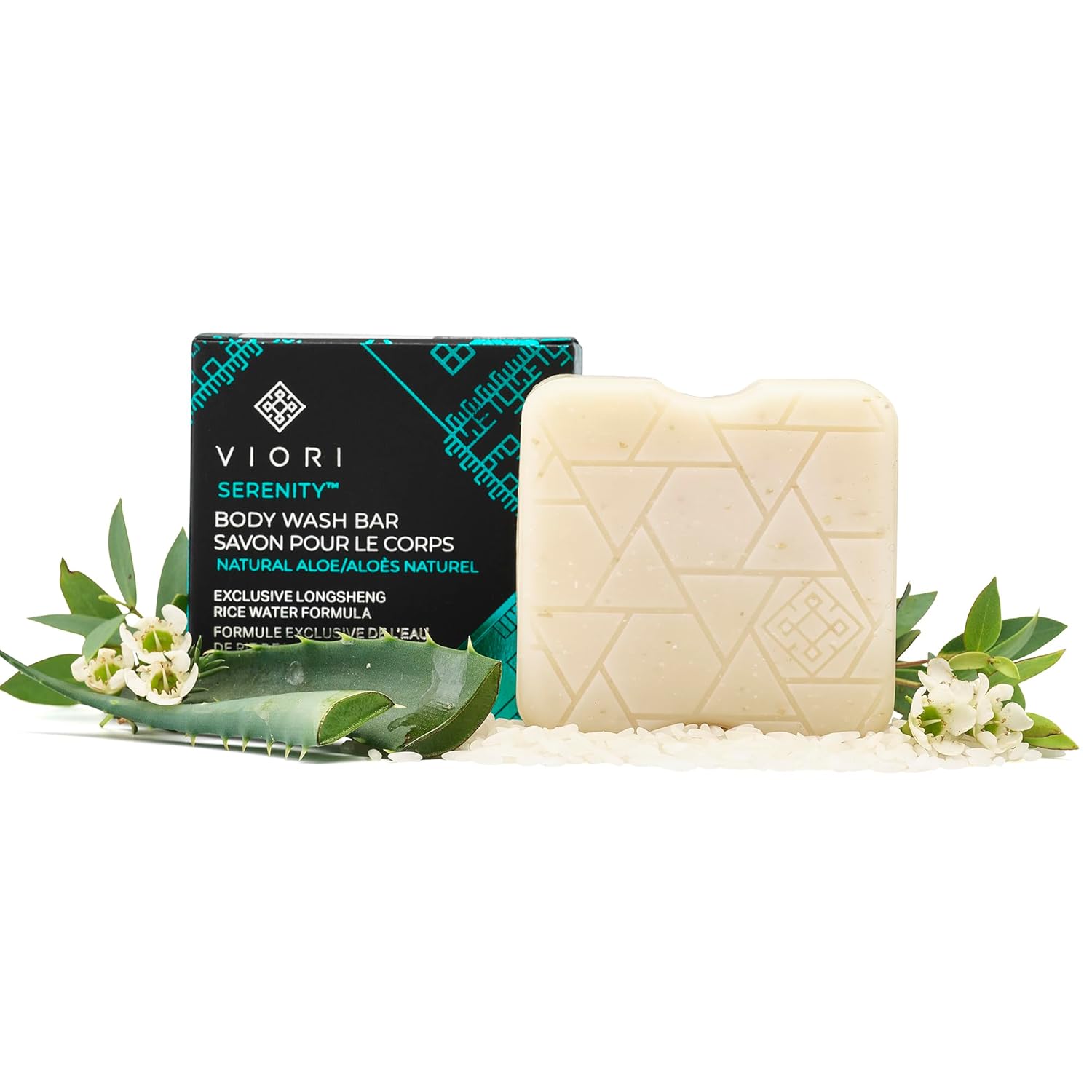
We cut soap to twice a week and switched to the Viori Serenity Body Wash Bar when we do use it. Five ingredients, sulfate-free, paraben-free, no synthetic fragrance. Every other bath is filtered water only. The chronic dryness that had been constant since infancy eased within weeks of making that change.
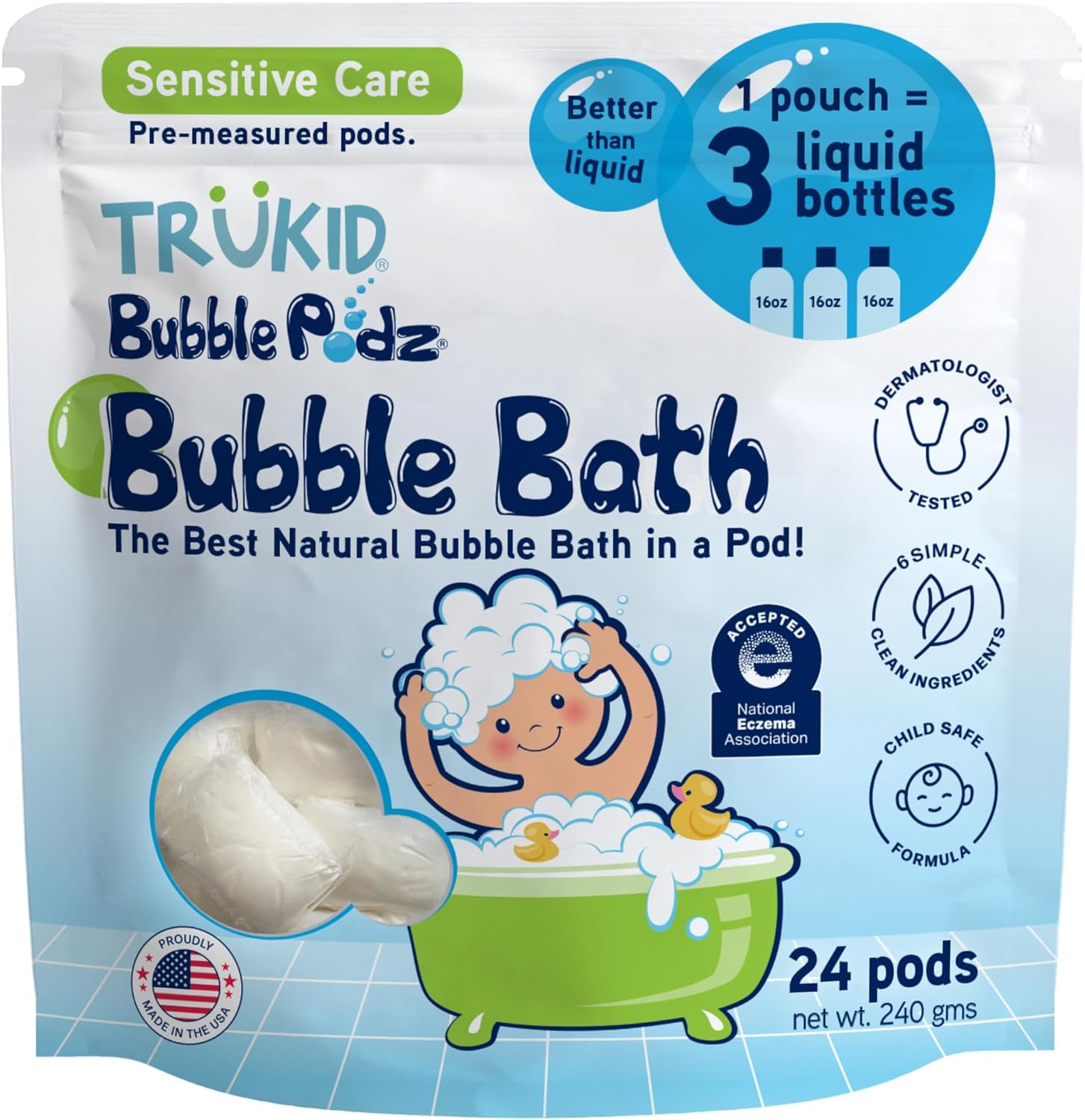
And yes, she still gets bubbles. TruKid Bubble Podz are accepted by the National Eczema Association, made with colloidal oatmeal and five clean ingredients, and she has no idea they are different from anything else.
The Honest Picture.
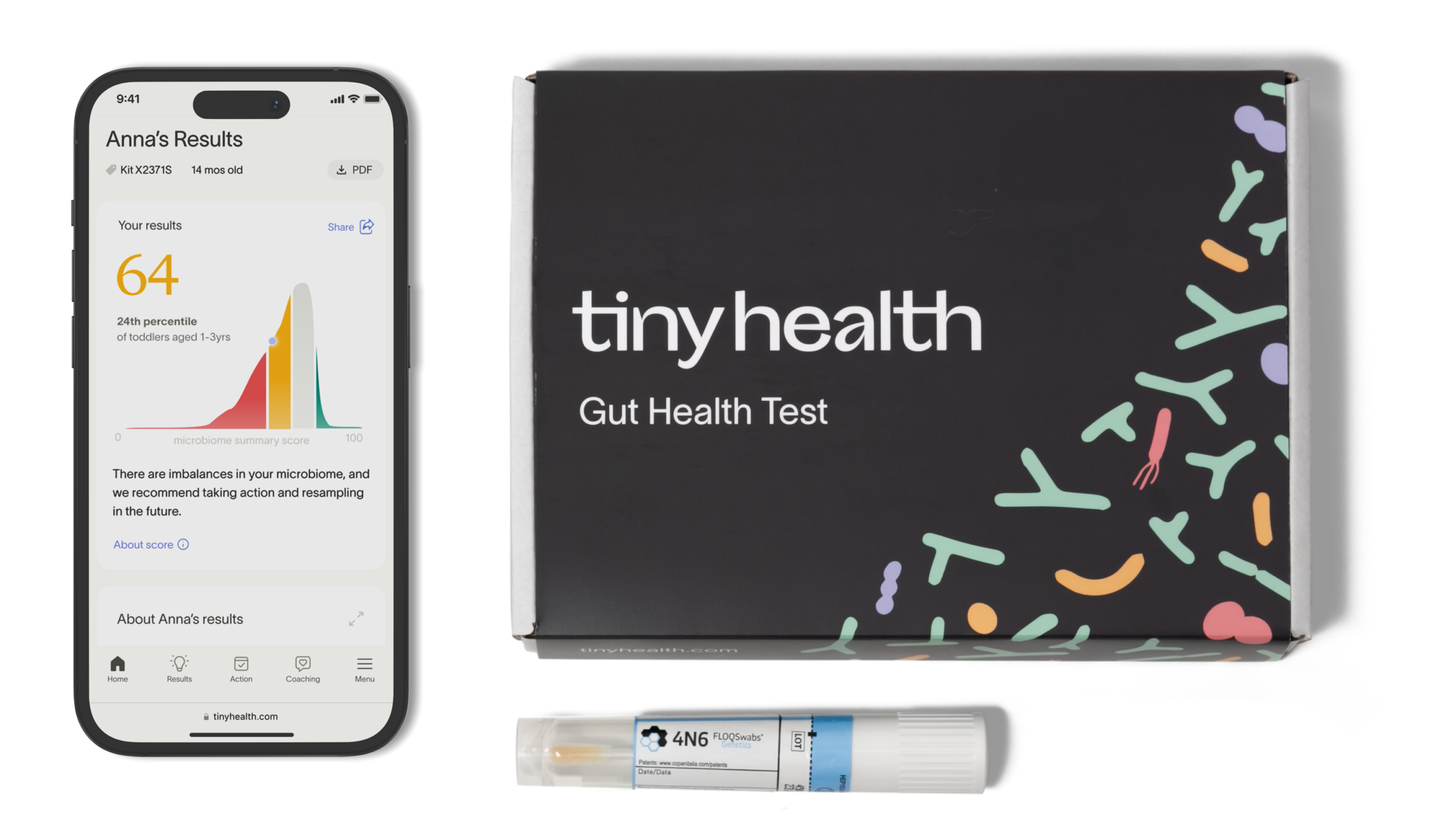
These changes helped. They were not the whole answer. The gut work, which came after Claire’s Tiny Health microbiome test showed us what was actually driving the inflammation internally, was where the most significant change came from.
What the eczema bath routine did was stop making things worse every night. Less chlorine stripping the barrier. Less soap removing what little protection remained. More intentional rebuilding while she slept.
Start here. It will not solve everything. It will give everything else you try a better surface to work with.
Want the full list of non-toxic swaps I made in our home? Grab the Non-Toxic Home Swap Guide →
Sources
- Perkin MA, et al. Association between domestic water hardness, chlorine, and atopic dermatitis risk in early life: A population-based cross-sectional study. Journal of Allergy and Clinical Immunology. 2016; 138(2):509-516.
- Flohr C, et al. Filaggrin loss-of-function mutations are associated with early-onset eczema and transepidermal water loss at 3 months of age. British Journal of Dermatology. 2010; 163:1333-1336.
I am not a medical professional. Everything I share on Made With Clean is based on my personal experience, research, and conversations with our naturopath. Nothing on this site should be taken as medical advice. Always consult with your healthcare provider before making changes to your child’s diet, supplement routine, or health protocol.